Safety in Medical Aesthetics: What Patients Should Know
Medical aesthetics is a rapidly growing field. Alongside innovation and improved treatment options, there has also been a significant increase in providers, platforms, and marketing messages.
While many practitioners work to exceptionally high clinical standards, not all aesthetic environments operate with the same level of medical governance, training, or ethical oversight.
At Clerimis, patient safety is non-negotiable. This guide explains what patients should understand about safety in medical aesthetics, how to recognise high standards of care, and what questions you should feel empowered to ask.
Why Aesthetic Treatments Are Medical Procedures
Injectable and device-based aesthetic treatments are not beauty services — they are medical procedures that:
Breach the skin
Involve prescription-only medicines (in many cases)
Carry potential risks and complications
Require anatomical knowledge and clinical judgement
This means they should be delivered within a medical framework, supported by:
Formal training
Clinical governance
Professional accountability
Emergency preparedness
When aesthetics is approached as retail rather than medicine, patient safety is compromised.
The Importance of Practitioner Qualifications
A safe aesthetic practitioner should:
Hold an appropriate medical or healthcare qualification
Have formal training in aesthetic medicine
Undertake regular continued professional development (CPD)
Be insured for aesthetic practice
Patients should feel comfortable asking:
What qualifications do you hold?
How long have you been practising?
What training have you completed for this treatment?
Transparency is a hallmark of safe practice.
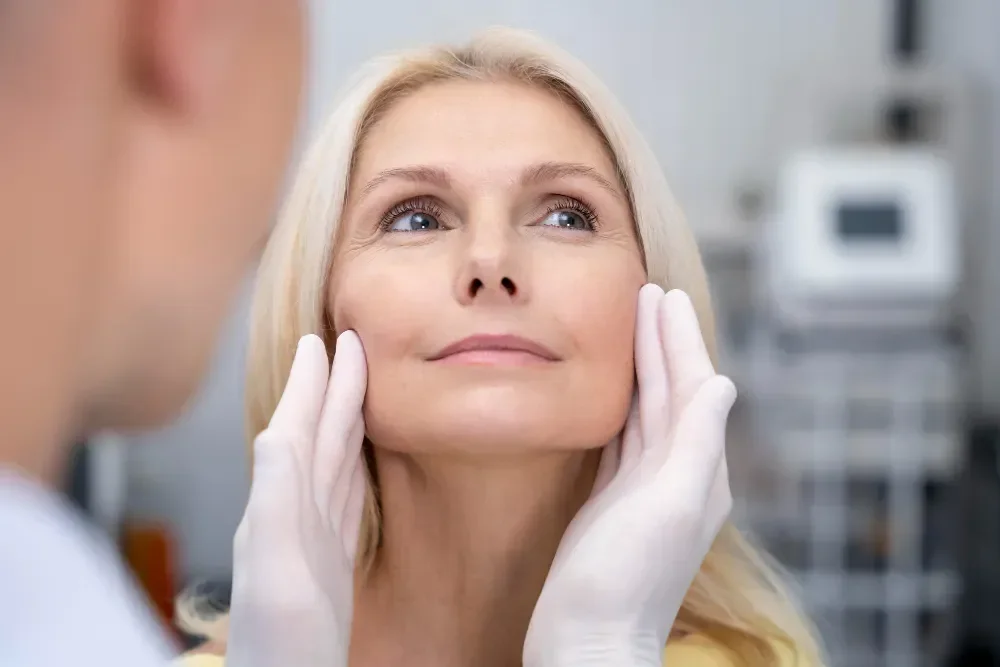
What a Proper Consultation Should Include
A medically-led consultation is not a quick discussion about price or product.
It should include:
Full medical history
Medications and allergies
Previous aesthetic treatments
Skin assessment
Facial anatomy and proportions
Patient goals and concerns
Discussion of suitable and unsuitable options
Risks, benefits, and alternatives
Opportunity to ask questions
If a consultation feels rushed, sales-driven, or product-focused, this is a red flag.
A structured assessment process is outlined in our article Why a Holistic Aesthetic Consultation Is Essential Before Treatment.
Understanding Risk in Medical Aesthetics
All medical procedures carry risk — including aesthetic treatments.
Possible complications may include:
Bruising and swelling
Infection
Vascular occlusion
Asymmetry
Unintended aesthetic outcome
A safe practitioner will:
Discuss risks openly
Explain how complications are managed
Have protocols in place
Carry emergency medications
Know when to refer
Avoid clinics that claim treatments are “risk-free”.
Understanding the difference between structural fillers and regenerative treatments is also important when assessing risk.
Why a Cheap Treatment Can Be a Warning Sign
High-quality aesthetic care involves:
Regulated products
Medical-grade consumables
Ongoing training
Insurance
Adequate consultation time
Aftercare support
Extremely low pricing often reflects compromises in one or more of these areas.
Safety, skill, and expertise cannot be discounted.
The Difference Between Trend-Led and Patient-Led Practice
Trend-led practice focuses on:
Popular treatments
Viral aesthetics
One-size-fits-all approaches
Patient-led practice focuses on:
Individual anatomy
Long-term facial balance
Skin health
Conservative, staged treatment
Ethical practitioners will sometimes recommend not treating.
Informed Consent: More Than a Signature
True informed consent means you understand:
What treatment is being performed
Why it is recommended
Expected outcome
Limitations
Risks
Alternatives
Consent is a process, not a form.
You should never feel pressured to proceed on the same day.
Red Flags Patients Should Be Aware Of
No medical history taken
No discussion of risk
No consultation before treatment
Pressure selling or time-limited offers
Unrealistic promises
Lack of aftercare advice
No evidence of qualifications
If something feels wrong, trust your instincts.
Aftercare and Follow-Up Matter
Safe clinics provide:
Written aftercare guidance
Access to advice if concerns arise
Review appointments where appropriate
Ongoing support is part of responsible care.
The Clerimis Safety Philosophy
At Clerimis, we prioritise:
Medically-led consultations
Conservative treatment planning
Evidence-based products
Patient education
Long-term skin health
Ethical decision-making
Our goal is not transformation, but restoration, balance, and confidence.
Call to Action
If you are considering aesthetic treatment and would like a comprehensive, medically-led consultation, we invite you to book an appointment with our clinical team.
Your safety, understanding, and long-term wellbeing always come first.