Dermal Fillers vs Biostimulators: Structural Support vs Regeneration
Injectable treatments are often grouped together under the umbrella of “anti-ageing”. However, dermal fillers and biostimulators work in fundamentally different ways.
Understanding this distinction is essential for making informed, safe, and realistic treatment decisions.
At Clerimis, we prioritise education and transparent consultation. This guide explains the biological mechanisms, indications, and limitations of each treatment category.
To understand why these treatments differ, it helps first to understand how the face ages structurally.
What Are Dermal Fillers?
Dermal fillers are most commonly composed of hyaluronic acid (HA), a naturally occurring substance found within the skin.
They are designed to:
Restore volume
Provide structural support
Contour and shape specific areas
Smooth deep folds
When placed correctly, fillers integrate with tissue and mimic natural support structures.
How Dermal Fillers Work
Hyaluronic acid attracts and binds water, creating immediate volumisation.
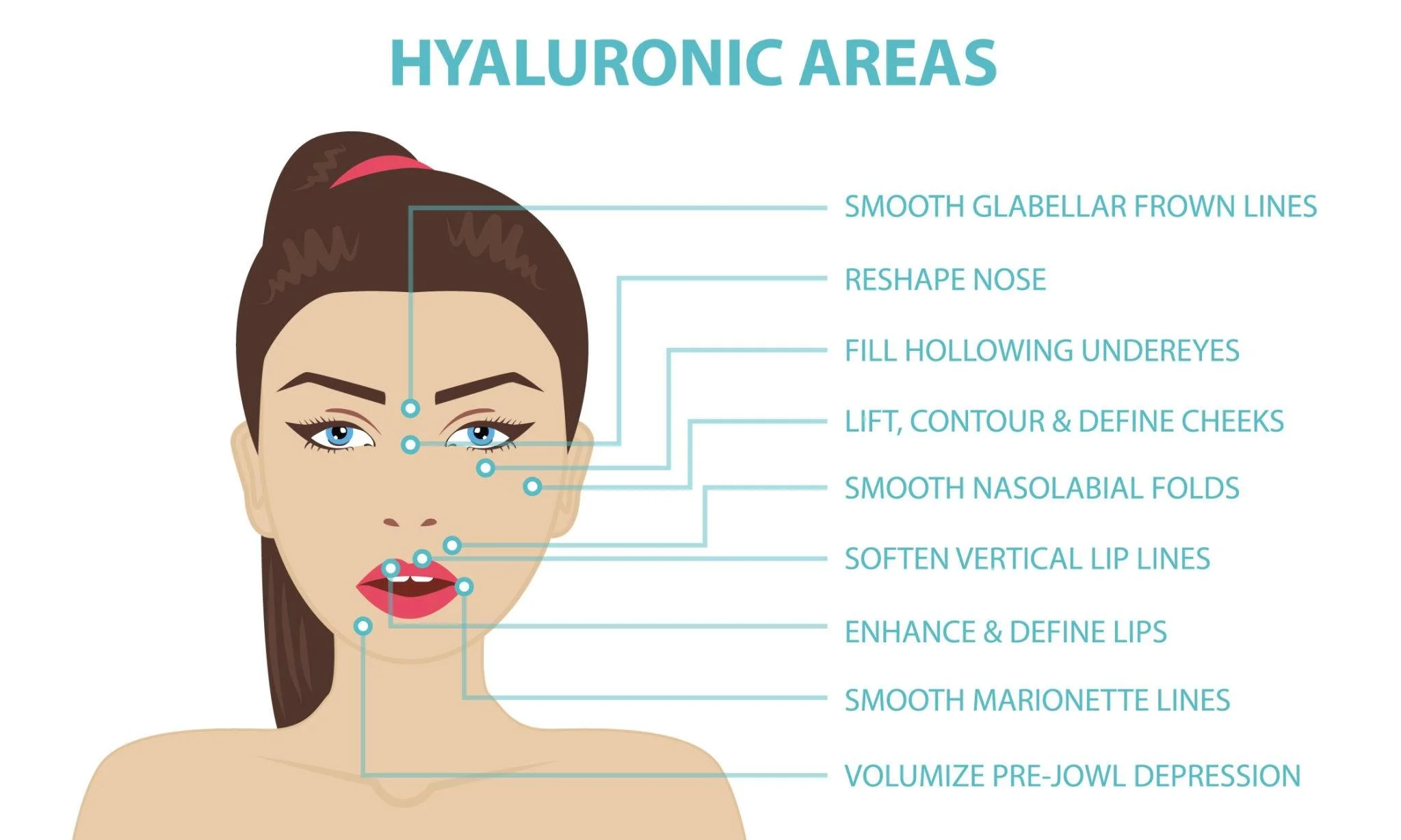
Depending on formulation and placement depth, fillers can:
Recreate cheek projection
Support nasolabial folds
Define jawline and chin
Enhance lips
The result is visible immediately.
Fillers do not stimulate significant new collagen production. Their primary role is replacement and support.
What Are Biostimulators?
Biostimulators are injectable substances that trigger the body to produce its own collagen over time.
A commonly used example is Sculptra, composed of poly-L-lactic acid (PLLA).
Rather than filling space, biostimulators improve skin quality and structural integrity gradually.
How Biostimulators Work
After injection, biostimulators:
Activate fibroblasts
Trigger controlled collagen production
Improve dermal thickness
Strengthen tissue support
There is no immediate volumising effect.
Results appear progressively over weeks to months as collagen forms.
Key Differences Between Fillers and Biostimulators
Dermal Fillers
Immediate visible volume
Shape and contour specific areas
Temporary structural replacement
Results last 6–18 months (product dependent)
Biostimulators
No immediate volume
Gradual collagen regeneration
Improve skin quality and firmness
Results build over 3–6 months
Longevity up to 2+ years
When Dermal Fillers May Be Appropriate
Localised volume loss
Structural deficiency
Lip enhancement
Chin or jawline support
Deep folds requiring immediate correction
Used conservatively, fillers can restore balance.
Overuse or incorrect placement leads to heaviness and distortion.
When Biostimulators May Be Appropriate
Global collagen decline
Skin laxity
Crepey texture
Early structural ageing
Patients seeking gradual improvement
Biostimulators are particularly valuable for patients prioritising long-term skin health.
Why Combination Therapy Is Often Optimal
Ageing affects:
Skin quality
Volume
Bone support
Tissue strength
No single treatment addresses all layers.
A comprehensive plan may include:
Biostimulators for collagen regeneration
Targeted dermal fillers for structural support
Skin boosters or polynucleotides for surface quality
This layered approach mirrors the biology of ageing.
Preventative collagen support is discussed further in our article on Collagen Banking: Myth, Marketing or Medicine?
Common Misconceptions
“Biostimulators replace fillers.”
Not always. They serve different purposes.
“Fillers ruin the face.”
Poor technique and overuse cause problems — not the product itself.
“One treatment suits everyone.”
Individual anatomy and ageing patterns vary significantly.
Safety and Ethical Practice
A responsible practitioner will:
Perform a detailed assessment
Explain options transparently
Recommend conservative dosing
Prioritise long-term outcomes
Decline inappropriate treatment
This protects patients and results.
The Clerimis Approach
At Clerimis, we do not follow trends.
We base recommendations on:
Facial anatomy
Ageing patterns
Skin biology
Patient goals
Safety first
Our objective is subtle, balanced, and sustainable improvement.
Call to Action
If you are unsure whether dermal fillers, biostimulators, or a combination approach is appropriate, we invite you to book a medically-led consultation.
Every treatment plan is personalised and grounded in patient safety and education.