Collagen Banking: Myth, Marketing or Medicine?
The phrase “collagen banking” is increasingly used in aesthetic medicine to describe early, preventative treatments designed to preserve and stimulate collagen production over time.
But is collagen banking grounded in medical science — or is it simply a marketing term?
At Clerimis, we prioritise evidence-based education. This article explores what collagen is, how it changes with age, what science supports early intervention, and what collagen banking realistically means in clinical practice.

What Is Collagen?
Collagen is the most abundant structural protein in the human body. In skin, it provides:
Strength
Firmness
Elasticity
Structural support
Type I collagen makes up the majority of dermal collagen and plays a central role in youthful skin architecture.
Fibroblast cells within the dermis are responsible for producing collagen and maintaining the extracellular matrix that supports skin integrity.
How Collagen Changes With Age
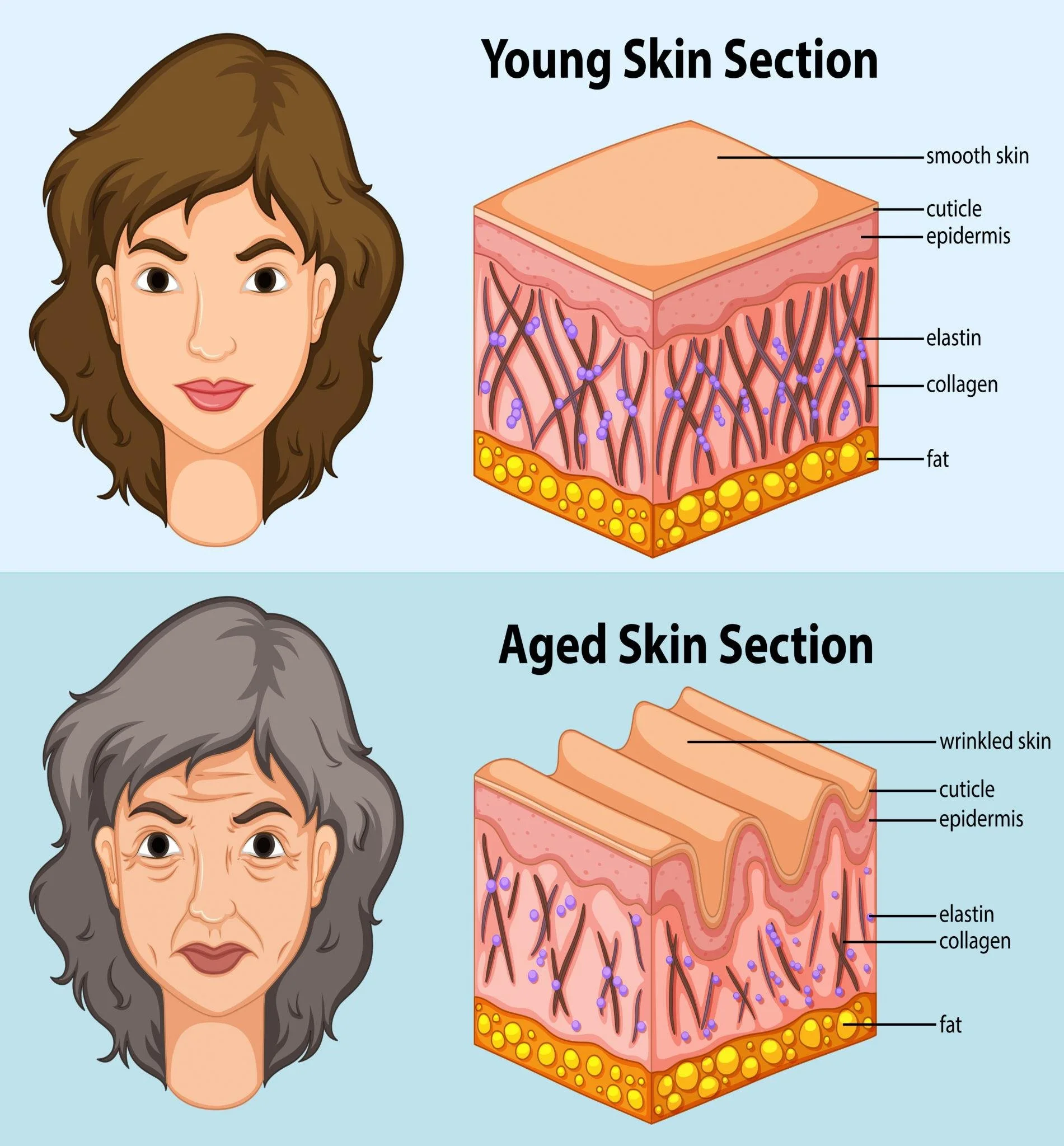
From our mid-20s onwards, collagen production begins to decline.
On average:
Collagen production decreases by approximately 1% per year
Existing collagen fibres become fragmented and disorganised
Skin gradually becomes thinner and less resilient
These changes contribute to:
Fine lines
Laxity
Crepiness
Loss of firmness
Ageing is therefore not just a surface phenomenon — it is structural.
What Does “Collagen Banking” Mean?
Collagen banking refers to supporting and stimulating collagen production earlier in adulthood, rather than waiting until significant collagen loss has already occurred.
The concept is comparable to preventative dentistry or bone density preservation:
You do not wait for severe deterioration before intervening
You aim to preserve function for longer
In aesthetic medicine, this translates to using treatments that:
Stimulate fibroblasts
Improve dermal environment
Encourage new collagen formation
Structural replacement approaches are discussed in Dermal Fillers vs Biostimulators.
Is Collagen Banking Scientifically Valid?
The underlying principle is supported by established biology:
Fibroblasts respond to controlled stimulation
Collagen production can be upregulated
Earlier intervention occurs when cellular activity is stronger
However, collagen banking does not:
Freeze ageing
Stop collagen loss completely
Guarantee wrinkle-free ageing
It is best understood as risk reduction, not age prevention.
Which Treatments Support Collagen Banking?
Several categories of treatments can support collagen production:
Biostimulators
Biostimulatory injectables such as Sculptra work by triggering a controlled inflammatory response that leads to gradual collagen formation.
These are commonly used for:
Global collagen decline
Skin laxity
Structural support
Energy-Based Devices
Radiofrequency and ultrasound devices create controlled thermal injury that stimulates collagen remodelling.
Skin Quality Treatments
Polynucleotides, microneedling, and certain skin boosters improve the dermal environment and support cellular activity.
The most effective approach is often combination therapy.
We explore these regenerative categories in detail in Skin Boosters vs Polynucleotides vs Biostimulators.
What Age Should Collagen Banking Start?
There is no universal “correct” age.
Instead, suitability is based on:
Skin quality
Genetics
Lifestyle factors (sun exposure, smoking, stress)
Early signs of collagen decline
For many patients, this may be in their late 20s to 30s. For others, later.
A medically-led consultation determines appropriateness.
Common Misconceptions
“If I bank collagen, I won’t need future treatments.”
Untrue. Ageing continues.
“One treatment banks collagen forever.”
Untrue. Maintenance is required.
“More stimulation is always better.”
Untrue. Over-treatment can compromise tissue health.
The Clerimis Perspective
At Clerimis, we do not promote collagen banking as a promise of agelessness.
We view it as:
Long-term skin health strategy
Part of holistic ageing management
Individualised, conservative, and evidence-based
Treatment planning is guided by anatomy, biology, and patient goals — not trends.
Call to Action
If you are curious about supporting your skin’s collagen in a medically-led, ethical way, we invite you to book a comprehensive consultation.
Together, we can discuss whether regenerative treatments are appropriate for your skin and long-term goals.