Perception drift
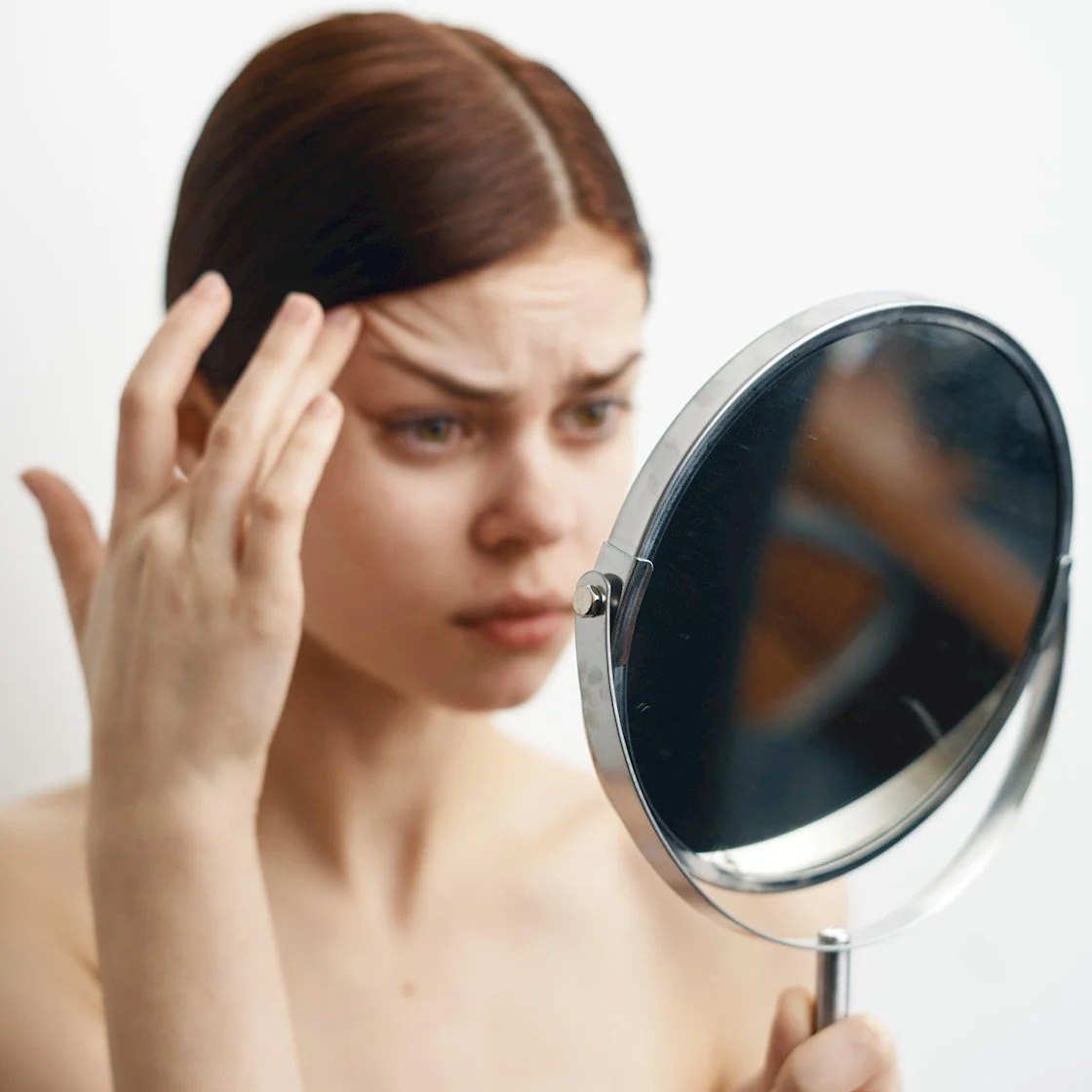
In the realm of aesthetics, the pursuit of beauty often intertwines with the complexities of perception. Whether we acknowledge it or not, our sense of beauty is shaped by a myriad of factors – societal standards, cultural influences, personal experiences, and even the ever-evolving trends of the beauty industry. However, amidst this intricate web of influences lies a phenomenon that deserves closer examination: perception drift within aesthetic treatments. Without understanding the biology of facial ageing, aesthetic standards can gradually shift beyond natural balance. Ethical practice requires a structured consultation and clear risk discussion.
Unveiling Perception Drift
Perception drift refers to the subtle, yet significant, shifts in our perception of beauty over time. What was once considered beautiful may no longer hold the same allure in the face of changing trends or personal growth. This phenomenon is particularly pronounced in the context of aesthetic treatments, where individuals seek to enhance or alter their appearance to align with their perceived ideals of beauty.
Consider the rise of certain beauty standards over the years – from the ultra-thin figures of the 90s to the current celebration of curves and body positivity. Similarly, facial features that were once considered flaws may now be embraced as unique characteristics that contribute to one's attractiveness. In this ever-changing landscape, it's crucial to recognize the fluidity of beauty ideals and how they intersect with our decisions regarding aesthetic treatments.
The Influence of Media and Celebrity Culture
Media, both traditional and social, plays a pivotal role in shaping our perception of beauty. From glossy magazine covers to Instagram influencers, we are constantly bombarded with images of flawless faces and sculpted bodies, often enhanced by filters or digital editing. In the age of Photoshop and Facetune, distinguishing between reality and illusion becomes increasingly challenging, leading to unrealistic beauty standards and a distorted sense of self-image.
Moreover, the cult of celebrity perpetuates these ideals, with public figures often serving as the epitome of beauty and perfection. However, it's essential to recognize that what meets the eye may not always reflect reality. Behind the polished façade lies a team of makeup artists, stylists, and often, the subtle hand of cosmetic procedures. As such, blindly chasing after the unattainable standards set by celebrities can fuel a cycle of dissatisfaction and perpetuate the myth of flawlessness.
Embracing Individuality and Authenticity
Amidst the cacophony of beauty standards and trends, it's easy to lose sight of what truly matters – embracing our individuality and celebrating our unique features. Authentic beauty transcends the confines of societal norms or fleeting trends; it emanates from within, reflecting our confidence, kindness, and authenticity.
Aesthetic treatments, when approached from a place of self-awareness and moderation, can serve as a tool for enhancing one's natural beauty rather than masking it. Whether it's a subtle enhancement to boost confidence or a transformative change that aligns with one's personal vision, the key lies in preserving one's unique identity and staying true to oneself.
The Role of Education and Empowerment
In navigating the landscape of aesthetic treatments, education emerges as a powerful ally. By arming ourselves with knowledge about the procedures, potential risks, and realistic expectations, we empower ourselves to make informed decisions that resonate with our values and goals. Moreover, fostering open conversations about beauty standards and the impact of media can help debunk myths and promote a more inclusive definition of beauty.
Ultimately, the journey towards authentic beauty is a deeply personal one, shaped by our experiences, beliefs, and aspirations. By embracing our imperfections and reclaiming our narratives, we pave the way for a more inclusive and compassionate approach to beauty – one that celebrates diversity and empowers individuals to shine in their own unique light.